
In this explainer piece, our APAC Practice Senior Account Executive, Wesley, explores how the post-COP30 landscape is reshaping ESG across Asia, with electrification, governance, nature-based finance, and industrial policy emerging as key determinants of investment attractiveness and long-term competitiveness.
Executive Summary
- COP30 highlighted a shift from climate ambition to implementation, with electrification, energy security, and industrial competitiveness increasingly shaping transition strategies across Asia.
- China’s dominance across clean-energy supply chains is likely to sustain regional dependence on Chinese technologies despite ongoing diversification and de-risking efforts.
- Brazil’s push for nature-based finance signals growing investor interest in forest conservation as an investable asset class, creating opportunities for forest-rich Southeast Asian economies.
- Governance, infrastructure transparency, and execution capacity are emerging as critical determinants of sustainable-finance flows, investment attractiveness, and long-term economic competitiveness.
Energy Transition and Industrial Competitiveness in Asia
For Asia, where electricity demand continues to rise alongside digitalization, urbanization, and manufacturing growth, the energy transition is increasingly becoming an economic strategy as much as an environmental one. As climate policy becomes more closely linked to industrial development and economic security, electrification is emerging as a key determinant of future growth and investment attractiveness.
A central theme emerging from recent discussions is the growing importance of electrification. Rising demand from electric vehicles (EVs), artificial intelligence (AI), advanced manufacturing, and data centres is placing electricity supply at the heart of economic competitiveness. Access to reliable, affordable, and increasingly low-carbon power is becoming a strategic advantage for governments seeking to attract investment, support industrial expansion, and strengthen their position within emerging technology value chains.
According to the International Energy Agency (IEA), global electricity consumption is expected to grow by close to 4% annually through 2027, driven by electrification, industrial activity, air-conditioning demand, and the rapid expansion of AI-related data centres.
The China Effect
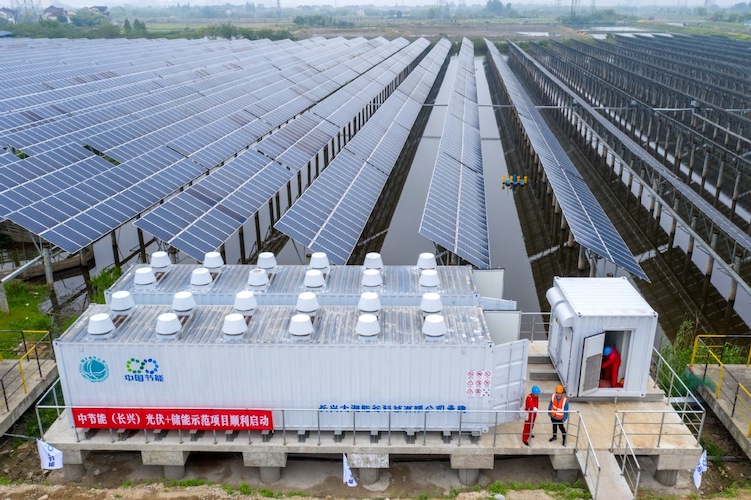
China remains central to this transition. Through large-scale investments in renewable energy, batteries, EVs, and transmission infrastructure, it has established a dominant position across much of the clean-energy value chain. While geopolitical tensions and supply-chain diversification efforts continue, many Asian economies remain reliant on Chinese technologies because of their scale and cost competitiveness.
This dynamic is likely to sustain investment opportunities across electrification-related sectors. Renewable energy, transmission networks, energy storage, EV supply chains, and data centres are expected to attract significant capital expenditure over the coming decade. Electricity-intensive sectors such as AI-driven computing and advanced manufacturing are increasingly gravitating toward jurisdictions with stable, low-cost power systems.
The Brazil Effect and Nature-Based Finance
COP30 also highlighted the growing importance of nature-based finance. Brazil’s efforts to advance the Tropical Forest Forever Facility (TFFF) reflect a broader attempt to position forests and biodiversity as investable assets rather than solely environmental resources. The initiative seeks to create more credible and scalable conservation financing mechanisms through stronger governance, monitoring, and state-backed structures.
The implications extend beyond Latin America. Countries with significant forest resources, including Indonesia and Malaysia, could benefit from expanding climate-finance opportunities if they are able to establish transparent and credible conservation frameworks. As carbon markets and Article 6 cooperation mechanisms mature, governance quality and monitoring capacity are likely to become increasingly important determinants of investment flows.
Governance and Infrastructure Transparency
Governance is also becoming a more commercially relevant component of ESG. Rather than focusing exclusively on anti-corruption measures, investors are paying greater attention to infrastructure transparency, regulatory predictability, and implementation capacity. Initiatives such as the Construction Sector Transparency Initiative (CoST) illustrate how improved disclosure and monitoring of infrastructure projects can reduce fiscal inefficiencies and strengthen investor trust.
This is particularly relevant as Asia prepares for substantial investment in energy, transport, and climate-resilience infrastructure. Governance quality will increasingly influence financing costs and investor confidence, with markets that demonstrate transparent procurement systems and credible institutions likely to attract deeper pools of sustainable finance.
Implications for Asian Financial Institutions and Investors
For banks, insurers, and asset managers in Asia, the post-COP30 environment marks a transition from ESG as a compliance exercise toward ESG as a core driver of capital allocation and risk pricing. Financial institutions will increasingly be required to finance large-scale transition infrastructure while managing climate and governance risks across portfolios.
At the same time, many Asian economies are pursuing more pragmatic transition pathways. Renewable deployment is accelerating, but natural gas and other transitional fuels are likely to remain part of the energy mix in several markets where affordability and energy security remain overriding concerns.
Ultimately, the COP30 era signals a more industrialized and implementation-driven phase of ESG. Electrification, infrastructure efficiency, governance credibility, and nature-based finance are emerging as the defining pillars of Asia’s transition economy. For corporates, financial institutions, and investors, success will increasingly depend on the ability to navigate the intersection between sustainability and economic strategy.
If you would like to learn more about the implications for your business, please contact us at hello@northstar-insights.com